
Auburn Hair Guide: Find Your Perfect Copper-Brown Shade
If you’re searching for hair color inspiration and find yourself drawn to reddish, coppery tones, Auburn Hair might be exactly what you need. This warm, brown-meets-red hue is incredibly versatile, flattering a range of skin tones and styles. But before you dive into this fiery color family, it’s important to understand the subtle yet crucial differences between auburn, copper, and red shades.

In this post, we’ll explore everything you need to know about Auburn Hair—from shade comparisons to celebrity inspiration, and even how to care for your new color at home. Whether you’re a brunette looking for a hint of spice or a blonde seeking depth, this trend is a bold but wearable choice.
What Exactly Is Auburn Hair?
Auburn Hair is a rich, warm-toned shade that blends brown and red. It sits somewhere between copper, warm brown and mahogany, making it a more natural-looking option than vivid reds or bright gingers. The beauty of this copper-brown trend lies in its versatility—it can lean more brown, more red, or even more copper depending on your preference.

The shade is ideal for anyone who wants to try red hair but isn’t ready to commit to high-maintenance or super-intense tones. Auburn Red Hair, in particular, offers a balance of depth and vibrancy, giving your hair a multi-dimensional finish that catches the light beautifully.
Auburn vs Copper vs Red: What’s the Difference?
This is one of the most common questions clients ask me. Auburn Hair differs from Copper Hair and traditional Red Hair in both tone and intensity.
- Copper Hair tends to be lighter and more orange-based. It’s vibrant and eye-catching but can be hard to maintain without frequent toning.
- Red Hair often has a deeper, cooler base—think burgundy or wine shades.
- Auburn Hair lives in the middle: warmer than burgundy but deeper and browner than copper.
Understanding these distinctions will help you explain your vision more clearly to your stylist. Whether you’re leaning toward a Dark Auburn Hair Color or something softer like Light Soft Copper Hair, having the right terminology makes all the difference.

Who Does Auburn Hair Look Best On?
This color complements a wide range of skin tones, but it’s especially flattering on those with warm or neutral undertones. If you have green or hazel eyes, Auburn Hair will make them pop. Dark Auburn Hair Color works beautifully on deeper skin tones, while lighter shades add warmth and glow to fair complexions.

If you’re currently a brunette or have previously balayaged or highlighted hair, adding an Auburn Copper Hair tone can create a stunning dimensional effect. The key is balance: the right undertone and placement can make hair look natural and radiant.

Real Experience From the Salon Chair
Over the past year, I’ve had more and more clients requesting subtle copper tones. Brunettes, dark blondes, and even those with old balayage or babylights want to warm things up.

Soft Auburn Hair shades look incredible on pre-lightened strands because they catch the light and add depth. However, achieving a balanced result between natural and bleached areas takes expertise. It’s not as simple as throwing on one color all over—a custom formulation is often required to get that dimensional, polished finish.
Celebrities Who Have Rocked Auburn Hair
Looking for celebrity inspiration? These stars have all sported this trend at some point—and absolutely nailed the look:
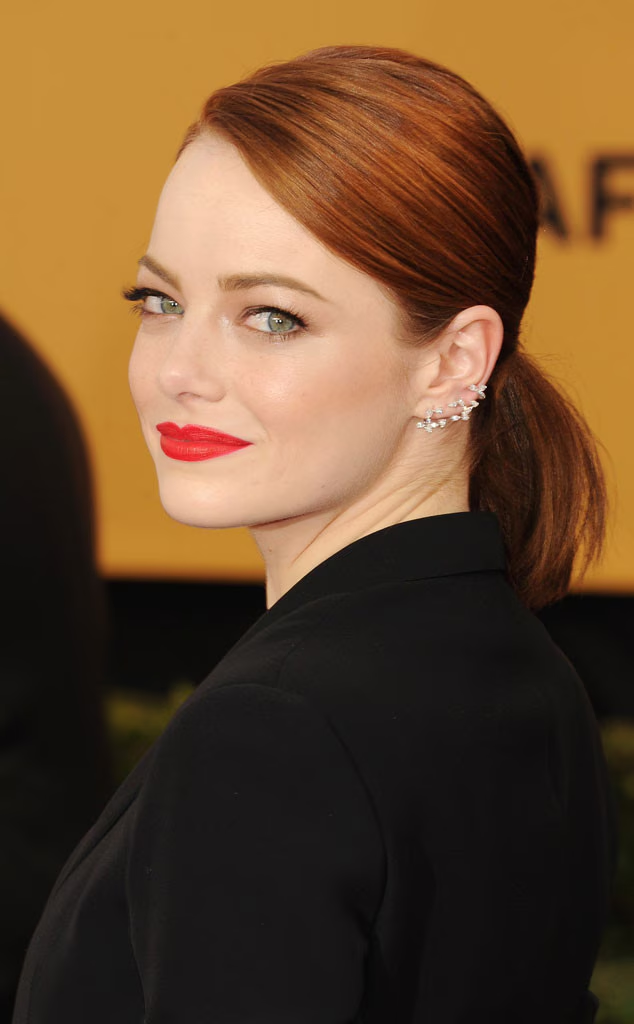


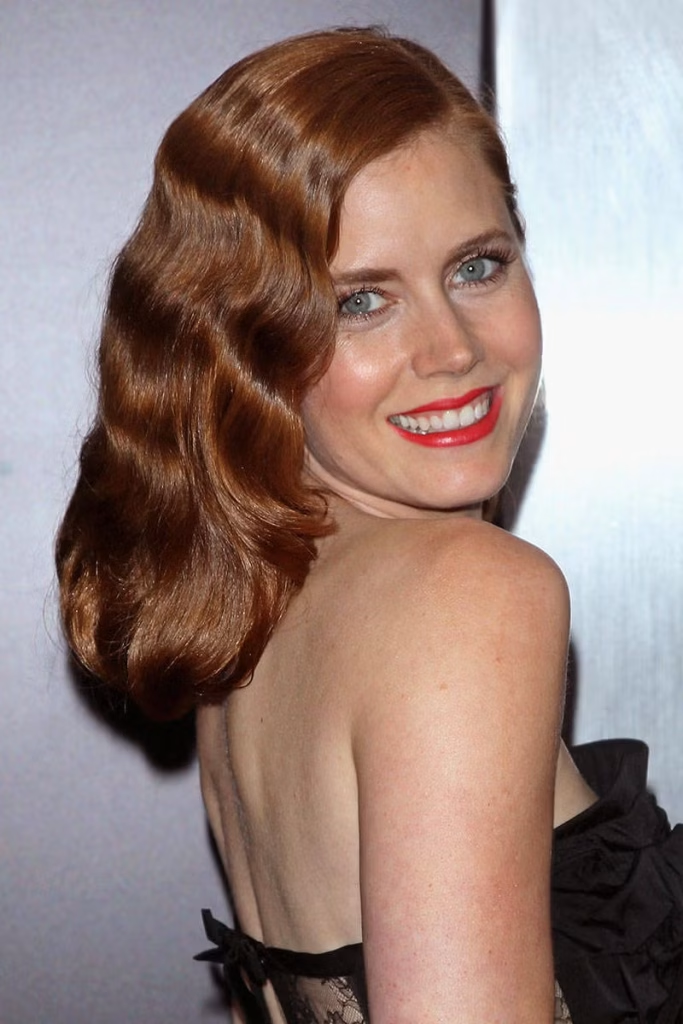


- Emma Stone: Often seen in Light Auburn Hair shades with coppery highlights.
- Zendaya: Known for experimenting with rich brown copper hair and Dark Auburn hues.
- Julianne Moore: A timeless example of Ginger Hair in a classic, elegant style.
- Sophie Turner: Has worn both Ginger Copper Hair and softer red balayage tones.
Their looks show just how versatile Auburn Hair can be across different skin tones and hair types.
Auburn Hair Shades to Try:
Dark Auburn Hair Color
Deep, sultry, and perfect for fall. Works well on medium to dark skin tones.

Light Auburn Hair
Soft, subtle, and great for brightening fair complexions.

Auburn Balayage
A great option if you want a low-maintenance introduction to this trend.

Chocolate Auburn Hair
A blend of brown and red that looks especially good in glossy, straight styles.
Auburn Hair: Pros and Things to Consider
Auburn Hair is a gorgeous option, but it’s not without its challenges. Red and copper pigments tend to fade faster than cooler shades, meaning you’ll need to refresh your color more often.
Also, keep in mind that going very deep with Auburn Red Hair or Dark Copper Hair can be tricky to correct. If you’re unsure or not ready to commit long-term, try an auburn gloss or semi-permanent color first.
Color-Protecting Products to Keep Your Hair Vibrant
Maintaining Auburn Hair requires a bit of care, but the results are well worth it when your color stays rich and radiant.
Here are the ones I use in the salon and also recommend to my clients for at-home care, maintenance, and color refresh:
Kevin Murphy Everlasting Color Wash:
Buy it here: https://amzn.to/4lCz1rt
Wella Professionals Color Fresh Mask:
Buy it here: https://amzn.to/4nxFhCE
Final Thoughts: Is this HairColor Trend Right for You?
If you’ve been curious about red or copper tones but don’t want to go full ginger or burgundy, Auburn Hair is the perfect in-between. It’s warm, dimensional, and offers endless possibilities for customization.

Remember: there’s no one-size-fits-all red. From Light Auburn Hair to Dark Copper Hair and everything in between, the key is choosing the right shade for your undertone, lifestyle, and maintenance preference.
Use this guide to spark ideas, gather references, and have a clear conversation with your stylist. The better you understand the world of Auburn Hair, the more confident you’ll be in choosing the color that brings out your best.
Ready to try it? Save your favorite look and explore more Auburn Hair inspiration now!
This page may contain affiliate links. If you click on them and make a purchase, we may earn a small commission at no additional cost to you.
This article is based on my professional experience and research. AI tools may be used as supportive aid, with all content reviewed and edited by me.


